
Homeowners should schedule professional duct cleaning every 3–5 years as a baseline, moving sooner if dust puffs from vents, pet hair builds up, or a renovation just wrapped. Costs vary by home size and duct configuration. DIY cleaning has its place for basic maintenance, but it cannot effectively address deeper contamination inside motors, coils, and duct interiors. Certified technicians like those at 800 Duct, based in Bristol, RI and serving Rhode Island, Massachusetts, and Connecticut, deliver thorough, whole-system results and catch hidden problems DIY methods miss.
Key Takeaways
Air ducts accumulate dust, dirt, and contaminants over time, negatively impacting indoor air quality and breathing.
Professional duct cleaning services provide safer, more effective results than DIY methods with proper equipment and expertise.
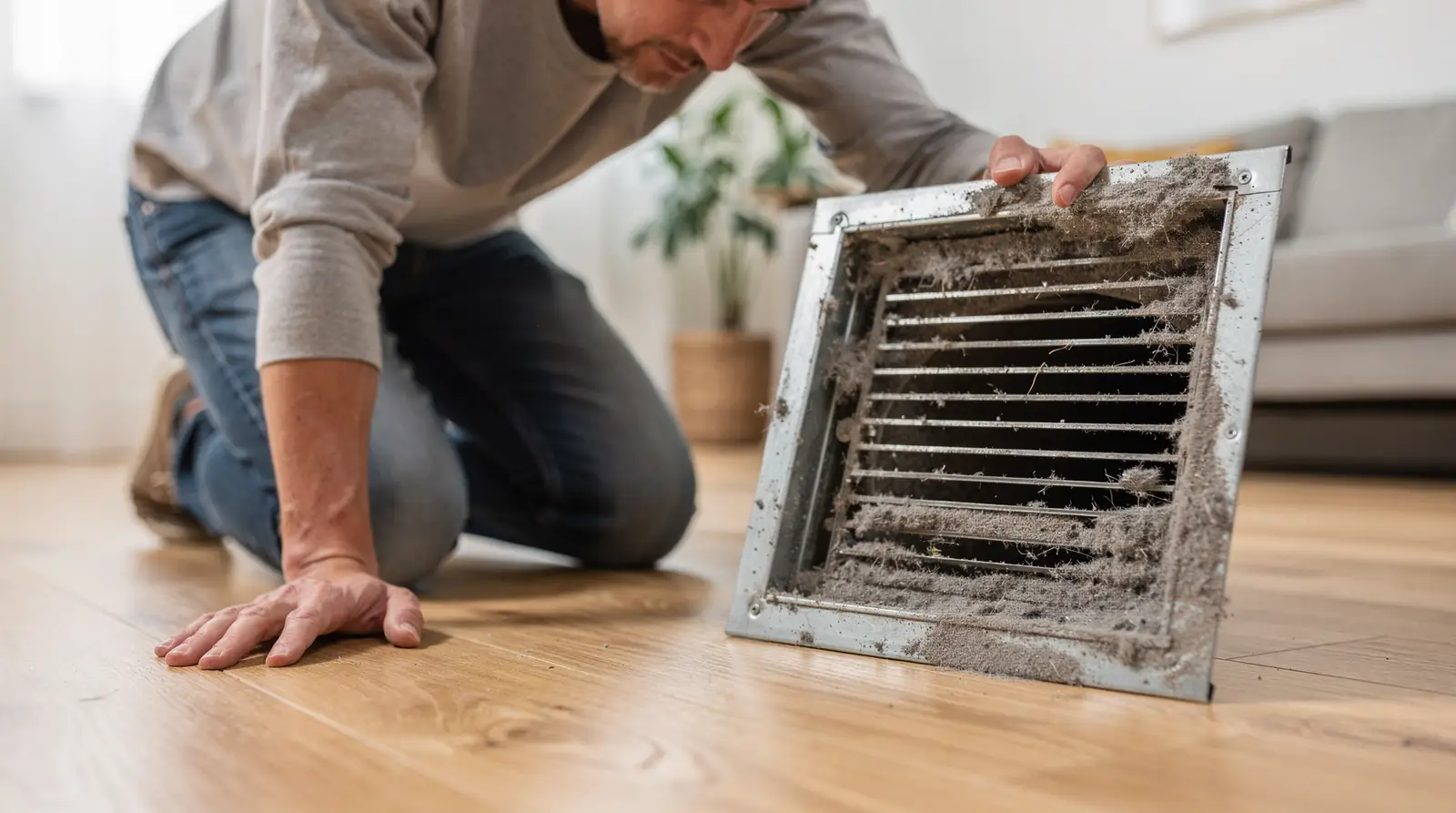
Visible dust, pet hair in vents, and dust coating return air grills indicate your ducts need cleaning.
800 Duct in Bristol, RI offers professional air duct cleaning to maintain optimal HVAC system performance.
What Will This Guide Help You Accomplish?
This residential air duct guide equips homeowners with the knowledge needed to decide whether ducts require professional attention. Dust buildup, allergy flare-ups, and post-renovation debris all signal that a household’s air quality deserves closer inspection, since ignoring these signs lets contaminants recirculate every time the HVAC system runs. The guide walks homeowners through symptoms, service steps, and measurable outcomes so decisions rest on evidence rather than guesswork.
800 Duct, a family-owned company based in Bristol, Rhode Island, serves residential clients throughout RI, MA, and CT. The company built its reputation on a single commitment: keeping homes safe, clean, and energy-efficient through professional duct and dryer vent services. That focus shapes every recommendation found throughout this guide.
By the end of this guide, homeowners will understand:
How to recognize the physical signs that ducts need cleaning
What the residential duct cleaning process involves from inspection to final airflow check
Which home duct cleaning benefits apply to allergy sufferers, pet owners, and recently renovated homes
How professional service compares with DIY attempts in terms of thoroughness and safety
What typical cost factors influence a duct cleaning project
Why does cost matter before scheduling a cleaning?
Understanding typical duct cleaning costs helps homeowners budget accurately and schedule service on time, rather than postponing a cleaning their indoor air quality depends on. Pricing varies by package, so homeowners who research costs upfront gain leverage to compare providers on value, not just price. This guide addresses those cost considerations directly so decisions stay grounded in realistic expectations rather than assumptions.
Armed with this framework, homeowners can move from uncertainty to a clear action plan for cleaner, healthier air.
What Signs Show Your Ducts Need Cleaning?
Visible dust puffing from a vent the moment the HVAC system kicks on signals a duct system overdue for attention. Homeowners often notice this first, followed by dust coating return air grilles or pet hair trapped near vent covers. These small clues point to a larger buildup hidden deep inside the ductwork, one that a basic wipe-down never reaches.
Fine dust naturally settles on duct surfaces, vents, motors, and coils as air circulates through the system day after day. Left alone, that dust layer thickens and becomes harder to clear without professional equipment. Dead skin flakes, hair, and pet dander cling to this dust, forming a dense environment where bacteria, mold, dust mites, and allergens can flourish. For households with pets or allergy sufferers, this buildup often explains why symptoms flare up indoors more than expected.
Can an air filter alone keep ducts clean?
Air filters trap most airborne contaminants before they spread through the home. They cannot reach every part of the HVAC system. Motors, coils, and duct interiors remain exposed to buildup that filters simply never touch. This gap is exactly why routine duct inspection matters, even in homes with high-quality filters installed.
Recognizing these warning signs is the first step in this residential air duct guide. Catching them early keeps small buildup from becoming a larger air-quality problem. The following signs typically call for professional evaluation:
Dust wisps or debris blowing from vents at startup
Visible dust or grime coating return air grilles
Pet hair or hair strands caught near vent openings
Musty or stale odors circulating when the system runs
Increased allergy symptoms or dust buildup on furniture despite regular cleaning
Homeowners noticing two or more of these signs should treat duct cleaning as a priority rather than a future task. Delayed attention allows contaminants to accumulate further into the system.
How Often Should You Clean Air Ducts?
No fixed calendar date determines the right cleaning schedule for every household. Home size, vent count, and contamination level all shift the timeline, and homeowners who ignore these factors risk paying more later for problems that grow underground, inside the ductwork, unseen. 800 Duct’s technicians consistently recommend ventilation duct cleaning as a practice that supports indoor air quality and better health outcomes, which makes timing a genuine priority rather than an afterthought.
A residential air duct guide built around these variables gives homeowners a realistic starting point instead of guesswork.
What factors change how often ducts need cleaning?
Larger homes with more vents naturally accumulate dust and debris across a wider surface area, requiring more frequent attention. Households with pets, recent renovations, or visible dust buildup around registers face faster contamination cycles. Contamination level matters as much as square footage. A heavily contaminated system needs service sooner than a lightly used one, regardless of home size.
Does cleaning frequency affect performance?
Yes. According to 800 Duct’s technicians, duct cleaning improves air quality, supports health, saves energy, and helps HVAC systems run more efficiently when performed on an appropriate schedule.
Key factors homeowners should track between service visits:
Number of vents and overall square footage
Presence of pets or recent renovation dust
Visible dust, debris, or musty odors near registers
Frequency of HVAC system use throughout the year
Understanding the residential duct cleaning process alongside these variables helps homeowners budget with confidence and avoid unnecessary system strain.
What Happens During Professional Duct Cleaning?
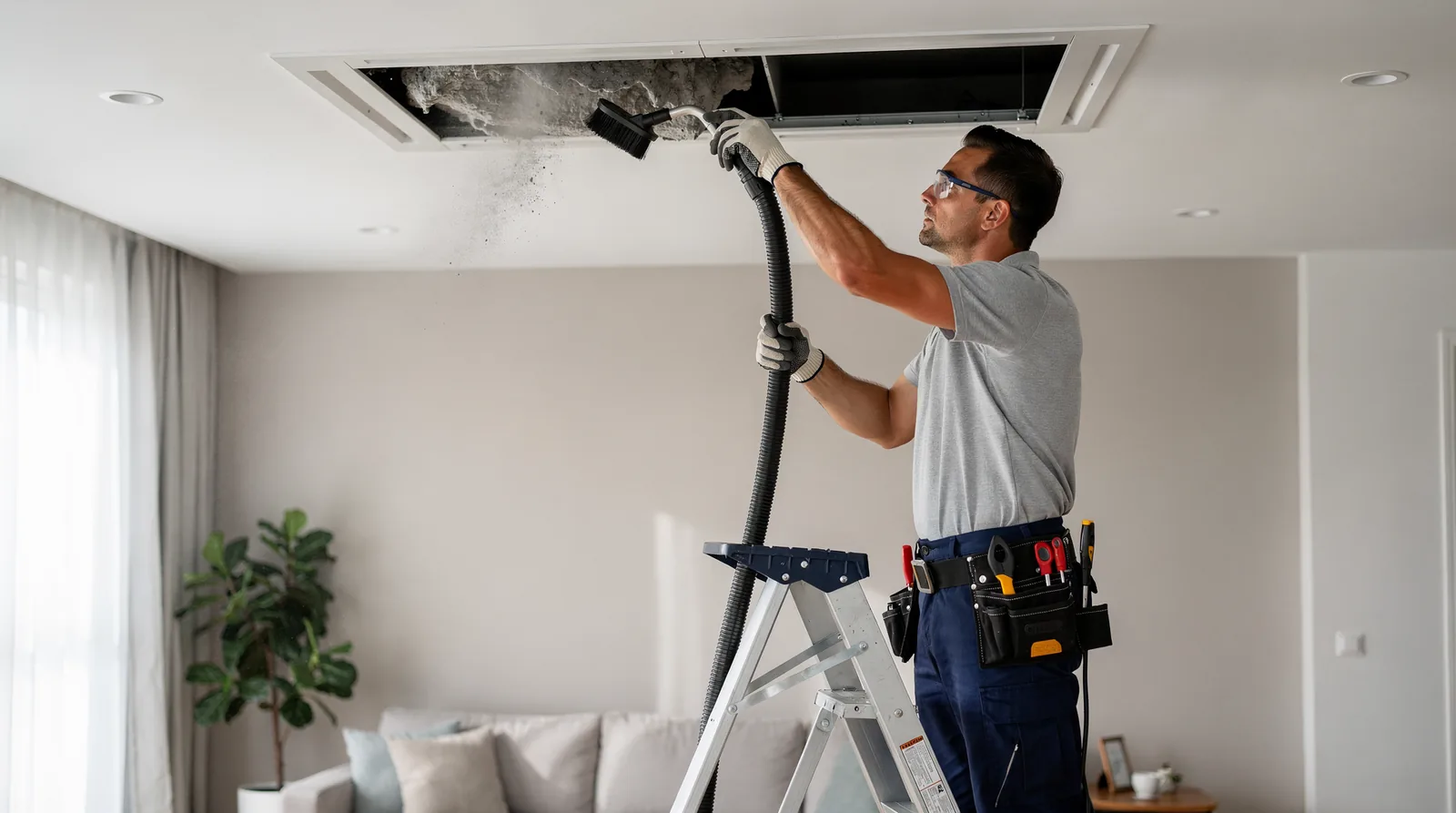
Professional duct cleaning follows a structured residential duct cleaning process-kw029 carried out by trained technicians using specialized equipment designed to clean an entire duct system. This differs sharply from a quick vacuum pass around visible vents. Homes with pets, recent renovations, or years of buildup need this deeper approach, since surface cleaning leaves hidden contaminants behind.
Before technicians begin, they inspect the system to confirm access points and identify problem areas such as clogged returns or damaged sections. This residential air duct guide-kw028 step matters because it determines equipment placement and prevents damage to fragile ductwork.
The cleaning itself follows a consistent sequence:
Seal off supply and return registers to contain loosened debris.
Attach a high-powered vacuum collection unit to the main trunk line.
Use agitation tools, such as brushes or air whips, to dislodge dust, pet dander, and debris from duct walls.
Clean each vent, register, and connecting branch individually.
Inspect motors, coils, and blower components for residue buildup.
Remove sealing materials and verify airflow at every register.
Why can’t homeowners just do this themselves?
Homeowners lack the tools and technical knowledge needed to reach deep into duct systems without causing damage or missing contamination. Specialized vacuum equipment generates suction strong enough to pull debris from long horizontal runs, something a household vacuum cannot replicate.
What results should homeowners expect afterward?
Professional residential cleaning delivers measurable home duct cleaning benefits-kw030, including improved indoor air quality and stronger HVAC efficiency. Results apply across single-family houses, condos, and apartments alike, creating a cleaner, healthier living environment. 800 Duct’s certified technicians apply this same standard on every job, giving customers professional results they can trust for both duct and dryer vent work.
Should You DIY or Hire a Professional?
Homeowners weighing a DIY cleanup against professional service face a tradeoff between upfront savings and long-term results. A complete residential air duct guide points to one clear pattern: cost-conscious cleaning attempts often create bigger air quality problems than they solve. Understanding the residential duct cleaning process helps homeowners see where DIY methods fall short and where professional expertise becomes necessary.
DIY duct cleaning attracts budget-minded homeowners because it avoids service fees entirely. That appeal makes sense on paper, but the risks tend to outweigh the savings.
When does DIY duct cleaning make sense? DIY efforts work best for light surface dusting near visible vents and registers. Anything beyond that — motors, coils, or deep duct interiors — requires tools most homeowners don’t own. Improper technique can stir dust and other contaminants into the air rather than removing them, worsening indoor air quality instead of improving it.
Why does professional cleaning outperform DIY methods? Professional cleaning reaches sections of the duct system that household vacuums and brushes cannot access. Trained technicians address hidden buildup and structural issues that DIY methods leave untouched. DIY approaches still hold value for basic maintenance between scheduled professional visits, but they don’t replace a full-system clean.
For homeowners across Rhode Island, Massachusetts, and Connecticut, 800 Duct delivers professional air duct and dryer vent cleaning built around these gaps. The company’s technicians handle the equipment-heavy, detail-intensive work that DIY tools simply can’t match, giving homeowners a cleaner system without the guesswork.
What Does Air Duct Cleaning Typically Cost?
Air duct cleaning cost varies by home, not by a apartment rate. 800 Duct’s pricing guide for Rhode Island homeowners walks through typical prices. Explains the factors that shift the final bill. Reliable pricing depends on a clear picture of the home itself, not a one-size number.
Three variables move the estimate the most:
Home size — larger square footage means more ductwork to inspect and clean.
Vent count — more supply and return vents add time to the job.
Level of contamination — homes with pets, recent renovations, or years of neglect need more thorough work.
Why does home size affect the price?
Larger homes carry longer duct runs and more branches connecting to the HVAC system. Technicians spend more time accessing, cleaning, and inspecting each section. A compact condo and a sprawling single-family house rarely land on the same quote.
Does a dirtier system cost more to clean?
Contamination level changes labor time and equipment needs. A system full of pet hair, dust buildup, or renovation debris requires deeper cleaning passes than a lightly soiled one. Homeowners comparing quotes should ask what condition assessment goes into the number.
Budgeting with confidence starts with understanding these three drivers before requesting a quote. Homeowners following this residential air duct guide avoid sticker shock by knowing which factors matter before technicians ever arrive. Routine cleaning, done on a predictable schedule, pays off over time. Both for indoor air quality and for how efficiently the HVAC system runs.
Skipping routine service to save money short-term often costs more later. Neglected ducts strain the HVAC system, and homeowners lose the long-term health and performance payoff that regular maintenance delivers. Comparing prices without understanding home size, vent count, and contamination level leads to unrealistic expectations and unpleasant surprises at the invoice.
What Benefits Come From Clean Home Ducts?
Clean home ducts deliver measurable improvements to health, comfort, and appliance performance. Homeowners following a residential air duct guide-kw028 typically notice better breathing air, fewer allergy flare-ups, and stronger HVAC output within weeks of service. This residential duct cleaning process-kw029 does more than remove visible dust. It addresses hidden contaminants that affect daily life inside a home.
Improved indoor air quality ranks among the top home duct cleaning benefits-kw030 homeowners report. Clean ductwork reduces allergens circulating through vents. Boosts overall HVAC efficiency, meaning the system works less to heat or cool the same space. 800 Duct’s certified technicians follow NADCA-aligned cleaning standards designed to reduce airborne allergens and improve respiratory comfort for households with pets, allergy sufferers, or recent renovation dust.
Dryer vent maintenance carries its own set of protections. A clogged dryer vent creates a fire hazard, lengthens drying cycles, and puts unnecessary wear on the appliance itself. Regular cleaning removes lint buildup, shortens drying times, and extends the life of the dryer.
Does Duct Cleaning Really Improve Air Quality?
Yes — removing dust, pet dander, and debris from ductwork directly lowers airborne allergen levels inside a home. Households with pets, recent renovations, or ongoing allergy symptoms tend to see the most noticeable difference. Cleaner air moving through the system also reduces strain on sensitive respiratory conditions.
What Long-Term Value Does Professional Cleaning Add?
Professional service protects the home as a financial investment, not just a comfort upgrade. Benefits compound over time:
Reduced allergens throughout living spaces
Lower HVAC strain and improved efficiency
Decreased fire risk from dryer vent buildup
Extended appliance lifespan
Greater day-to-day comfort and peace of mind
Homeowners who invest in routine duct and vent care protect both their property value. Their family’s daily comfort, avoiding the gradual decline that neglected systems create over time.
What Mistakes Should Homeowners Avoid?
Homeowners most often go wrong by treating duct maintenance as a simple weekend project rather than a technical service. Attempting a cleanup without proper tools and specialized knowledge frequently stirs dust, debris, and allergens back into the airflow instead of removing them. This mistake undoes the very goal of cleaner air. Can leave a household breathing more contaminants than before the project started.
A reliable residential air duct guide treats duct work as a system, not a single vent or filter. The following missteps show up again and again among homeowners tackling this task alone:
Skipping an inspection of the full duct network before starting any cleaning.
Using household vacuums or brushes that lack the reach or suction for hidden buildup.
Ignoring how dirty the ducts actually are before choosing a cleaning method.
Overlooking personal comfort level with home projects, then abandoning the job halfway through.
Assuming one cleaning session solves problems tied to renovation dust, pets, or allergies long-term.
Is DIY Duct Cleaning Ever the Right Choice?
DIY cleaning suits light dusting and vent-cover wiping, not deep system maintenance. The right approach always depends on the home’s specific needs, the owner’s comfort with hands-on projects, and the true condition of the ductwork.
Why Do Homeowners Trust Professional Services Instead?
Homeowners across Rhode Island, Massachusetts, and Connecticut choose 800 Duct’s certified technicians over guesswork because they follow a documented, standards-based cleaning process rather than an improvised approach. Ratings describing results as excellent reflect a broader pattern: trained technicians deliver the home duct cleaning benefits homeowners expect, without the trial-and-error risk of DIY attempts. Following a proper residential duct cleaning process protects indoor air quality and avoids the setbacks caused by rushed, undertrained efforts.
FAQ
How often should homeowners schedule professional duct cleaning?
Homeowners should schedule professional duct cleaning every 3–5 years as a general baseline, but should move sooner whenever warning signs appear.
What signs indicate air ducts need cleaning?
Visible dust puffing from vents, pet hair buildup near vent covers, and dust coating return air grilles all signal ducts need cleaning. A recent renovation also often triggers the need for cleaning.
Is DIY duct cleaning as effective as hiring a professional?
DIY cleaning suits basic maintenance but lacks the specialized tools professionals use. Trained technicians like those at 800 Duct deli